Reading Nakuru from gate to answer
I work where farm-gate language, road directions, buyer wording and AI summaries start to disagree. My job is to make Nakuru businesses legible before an answer engine reduces them to a loose category.
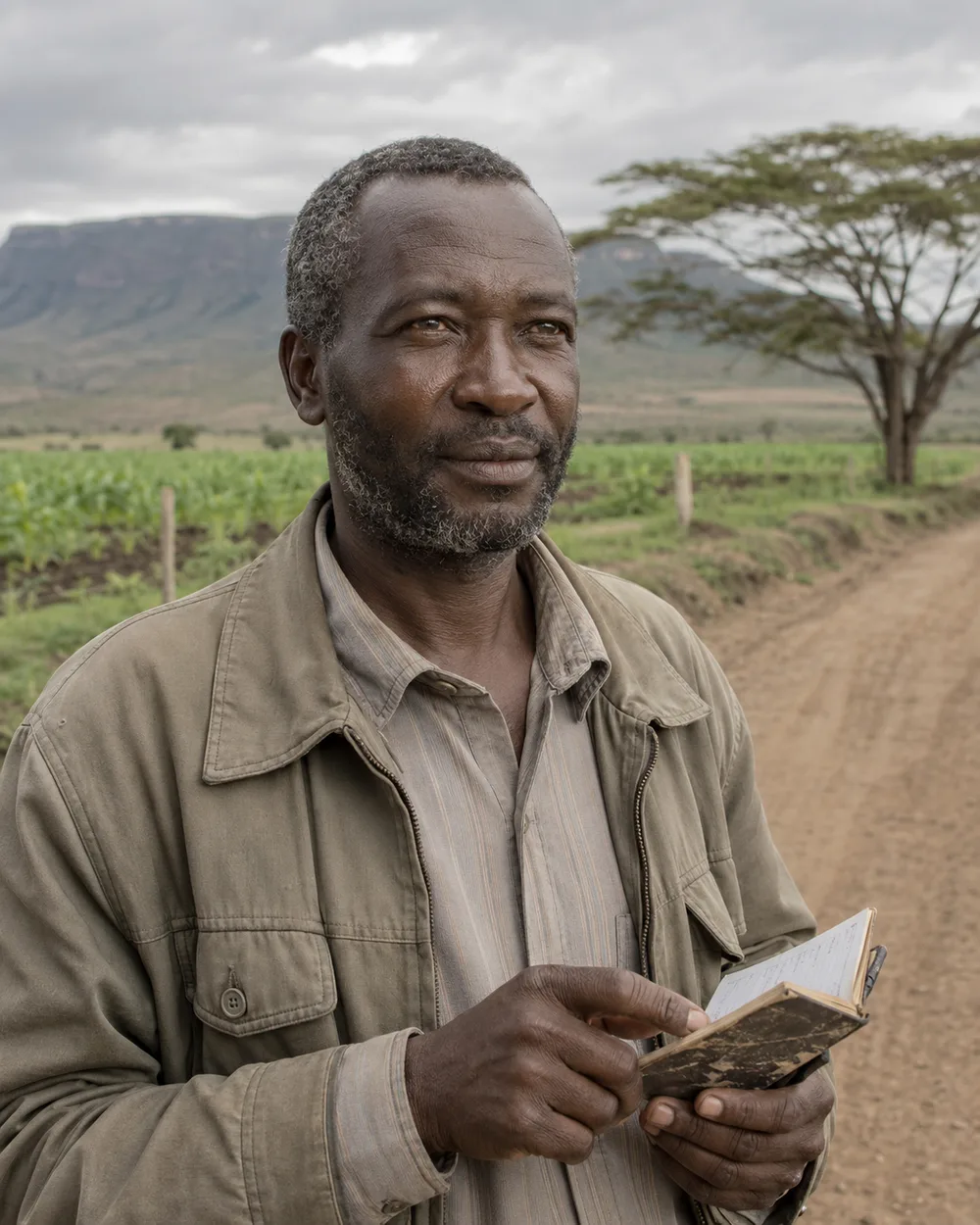
If a driver, buyer and guest repeat three different names for the same business, the answer engine will choose the weakest one.
At the stage before the morning vehicles leave, Nakuru explains itself in fragments. One passenger asks for Njoro. Another says the flower side. A driver names the junction, then somebody else says the farm by crop, not by company name. On the same route you hear English buyer language, Swahili directions, a little Sheng, and the hard shorthand of people who move goods every day. I was born in Nakuru County, and that sound is still the first source I trust. The road often knows the business before the website does.
I learned this work by writing bilingual product and service descriptions for Rift Valley farms, cleaning up buyer-facing copy for small processors, helping cooperatives explain outgrower structures, and listening to lodge guests describe Lake Nakuru before they had arrived. Nakuru has a particular habit: it stretches and shrinks depending on who is speaking. A town listing may say Nakuru, a buyer may mean a farm further out, a tour page may borrow the lake name, and a local direction may point to Naivasha, Gilgil, Njoro or Menengai without explaining the business relationship. Answer engines pick up those loose edges fast. In a composite repair case, the farm page says only "fresh produce," the directory says "agriculture," and the export copy mentions roses once in a paragraph about logistics; the machine may remember the weakest label.
My work is finding where that loss happens. I compare the words used at the gate, in the office, on the road, on the website, in directories and inside answer-engine output. I am strongest at repairing product identity, category confusion, location drift, bilingual mismatch and source authority problems. AI visibility begins with a sentence a human can repeat after one reading: what the business grows, processes, books or supplies; where it sits; and which source should be trusted first.
Path into the work
- 2007
Farm wording at the gate
I began recording how growers, drivers and buyers described the same farms differently between the gate, the road and town.
- 2011–2014
Bilingual product copy
I wrote English and Swahili descriptions for small producers that needed clearer crop, buyer and route language.
- 2015–2018
Processors and cooperative structures
I helped agri-processors and cooperatives explain product lines, sourcing models and outgrower roles without burying the practical detail.
- 2019–2021
Tourism answer drift
I mapped how lodge guests described Lake Nakuru trips before arrival, then compared those phrases with booking pages and operator claims.
- 2022 onward
Answer-engine source repair
I focused the work on AI visibility, especially where directories, county listings and old category labels outrank the business itself.
If the answer gets your business half-right, it still needs repair.
I can review the wording, source order and bilingual signals that shape how AI systems describe your Nakuru business.
Start review